
Rounder to Founder: Allen Bari Cashed a Bracelet Into a Cooking School

In June 2011, Allen Bari sat down in a $5,000 No Limit event at the World Series of Poker with 864 other players.
He beat all of them. The last one was Maria Ho, heads-up. The bracelet paid $874,116.
Three years later he put that money to work in a kitchen.
This is Allen Bari, our second Rounder to Founder of the Week: a poker player who built a real business outside the game. His business is Hudson Table, a cooking school that started in Hoboken, New Jersey.
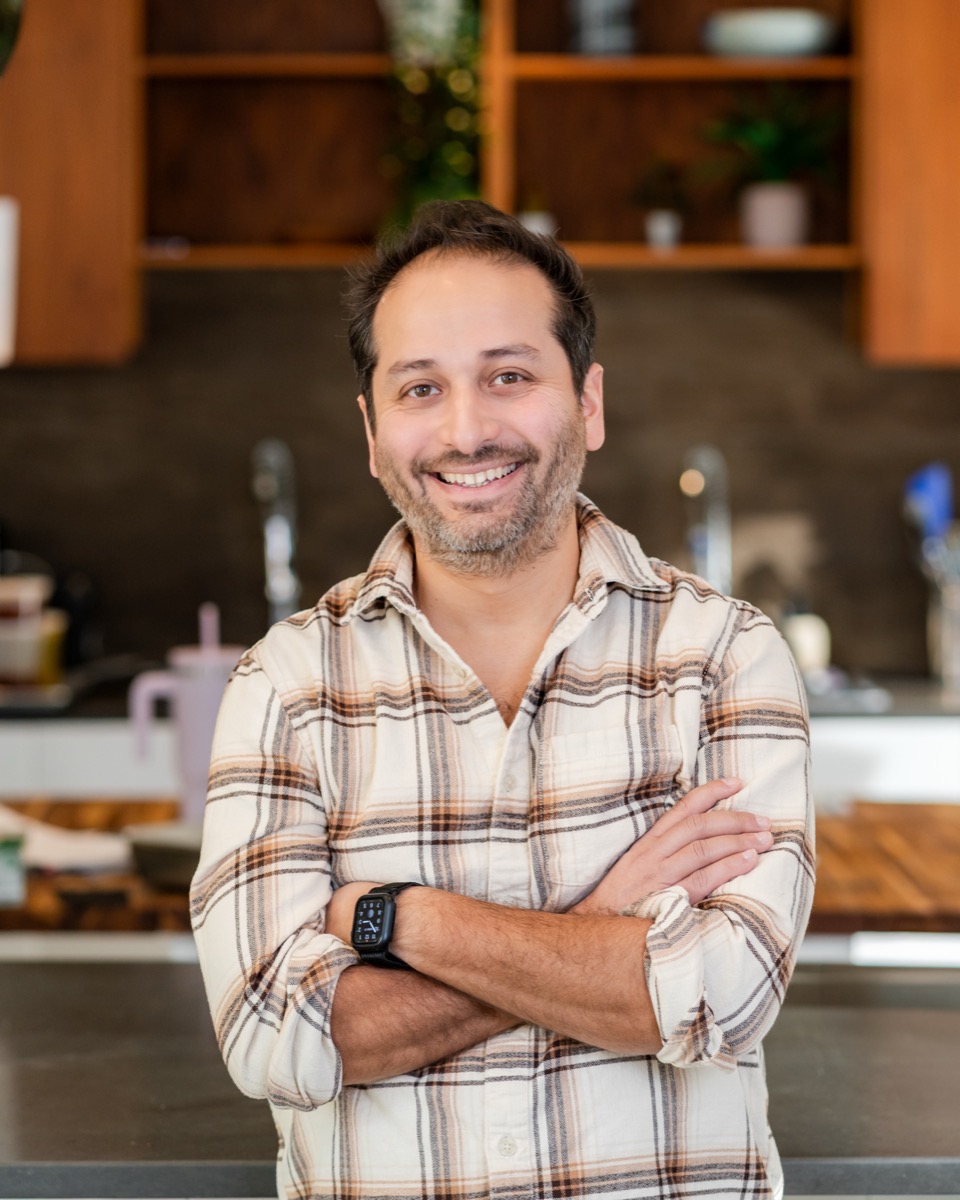 Allen at Hudson Table. Photo: Hudson Table, via hudsontable.com.
The game
Allen grew up in New Jersey and studied economics and finance at Rutgers. He had a job at Morgan Stanley until 2007, when he got laid off.
That turned out to be less of a disaster than it sounds. In his words:
"I was making more playing on weekends than I was at my job."
So he played full-time. Four years later came the bracelet: WSOP Event #4, $5,000 No Limit Hold'em, 865 entries.
By August 2012 he'd quit poker as a full-time job. Not cold turkey, though. In 2014, while he was building the school, he was still sitting in a weekly mixed game at Parx, outside Philadelphia. (Bankroll habits die hard.)
The pivot
Here's the origin story, and I love how un-glamorous it is. Someone dragged him to a cooking class in Atlantic City. He walked out thinking like a guy who just found a soft game:
"My competitive nature saw the potential in that. I thought, This can be improved on and brought to Hoboken."
He didn't go to culinary school to become a chef. He enrolled at the French Culinary Institute in May 2013 for the restaurant management track. His reasoning:
"For what I plan on doing I don't need to be a chef."
Hudson Table opened in Hoboken in November 2014. It later added Stamford, Brooklyn, Philadelphia and Princeton. Today the site says "Five kitchens. One Hudson Table." and the leadership page still lists Allen as founder, CEO and CFO. (A poker player keeping the CFO job for himself. Shocking.)
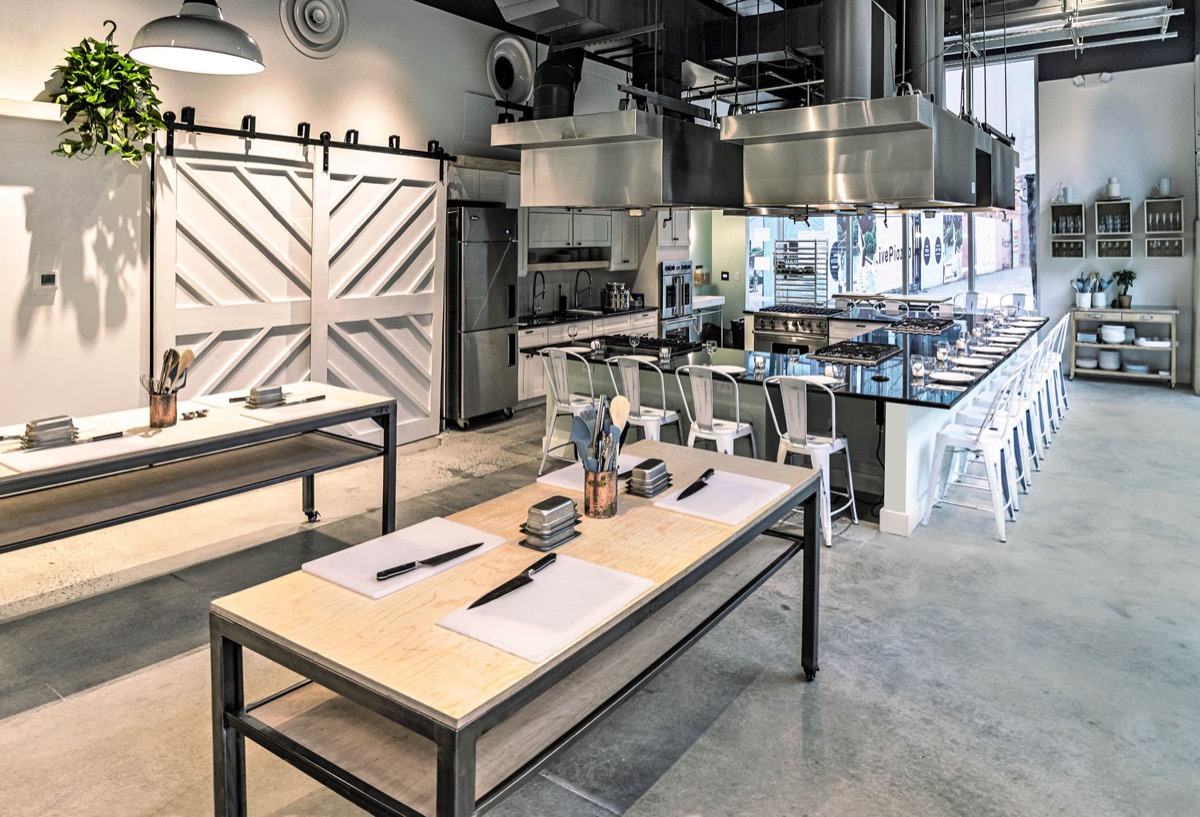 The Philadelphia kitchen. Photo: Hudson Table, via hudsontable.com.
The ledger he published
Allen never published revenue, so I won't guess. What he did put on the record is how the thing got paid for.
- Startup cost: about $250,000
- Where it came from: friends, family and his poker winnings
- The bracelet: $874,116, three years before the doors opened
Why did it take a bracelet? He told NJ Monthly straight: before he won that tournament, he didn't have the money to start it.
Friends, family and one deep run. That was the round.
What poker taught him
He's said some sharp things about the jump. These are the ones I'd tape above my monitor.
On variance:
"Poker has taught me to be able to handle variance in all aspects of life better than I ever would have been able to without that experience. It has taught me to plan on these swings and always be ready."
On running a business like a hand:
"I know my pricing, my break-even points. In poker, I'm making on-the-spot decisions every two minutes, and business is very similar to that."
Years later, on X, he put the whole thing in one sentence:
"You can apply everything you know in poker to other fields, be just as happy if not more, get the same high from risk and be less impacted by the swings."
And on why he wanted out of the game in the first place:
"This business will be a lot more fulfilling than poker in that I will be providing something to society."
That's the real line between the two games. In poker, your win is somebody else's loss. At a cooking school, everybody leaves with dinner.
Steal this
- Plan for the downswing before you open. "Plan on these swings and always be ready" is a bankroll rule. Know how many bad months you can eat before you start, not after.
- Keep a cash game going while you build. He was still playing every week while the school came together. His own advice, from X: "You can do both." A side income that pays the bills buys you patience.
- Know your numbers like pot odds. Pricing and break-even, cold, the way you know what you need to call.
- Only learn what the plan needs. He wanted to run a cooking school, not cook on the line, so he took the management track.
- Find a game where your win isn't someone else's loss. Customers who come back are worth more than opponents who go broke.
Rounders to Founders isn't affiliated with Allen Bari or Hudson Table. Everything here comes from his public interviews, poker results and his company's site. Something wrong? Email art@rounderstofounders.com and we'll fix it within a day.
Who should be the next Rounder to Founder? Drop a name in the discussion. Bonus points if they quit a sure thing for a business nobody saw coming.
And if you're a poker player building something on the side, join R2F. It's free, it takes a minute, and everyone who joins before Nov 20 gets the ♠ Founding member badge.
— Art
Written with the R2F AI team. How that works.
Post it and get feedback from players who’ve been there.
Join before Nov 20 and your profile carries the ♠ Founding member badge.
Comments