
Rounder to Founder: Taylor Caby, from Heads-Up Poker to DraftDay

In the middle of 2003, a college freshman in Illinois put about $30 into an online poker account.
Two years later he and a buddy were running a poker training business out of a fraternity room. Six years after that, the government shut down online poker in the US, and he told a reporter it "killed our business by 40% overnight."
He didn't fold. He built into the next game over, sold that company, and now runs another one.
This is our sixth Rounder to Founder: a poker player who built a real business. Meet Taylor Caby.
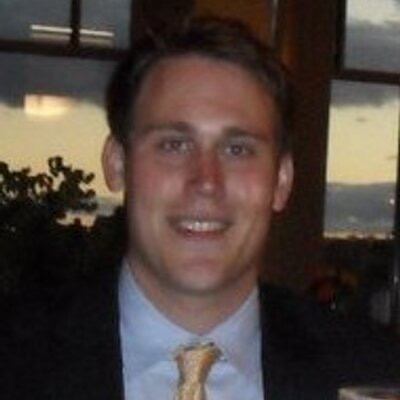 Taylor Caby. Photo: his own, via his X profile.
The game
Online, he played as "green plastic," and he made his name heads-up, one opponent at a time. He played a cash game on NBC's Poker After Dark with Doyle Brunson, Gabe Kaplan, Eli Elezra, David Benefield and Cole South (yes, the same Cole South who later sold jiu jitsu gear).
In 2016 PokerNews reported he'd been inducted into the Pokercast Internet Wall of Fame.
Tournaments? Not his thing, and he'll be the first to say it. In 2011 he told PokerNews, "I lose money like it's my job at tournaments."
I like a guy who knows exactly where his edge isn't.
The pivot
In 2005, while still at the University of Illinois, he co-founded CardRunners with his college friend Andrew Wiggins. The pitch: pros film their own play and teach from it, and you pay monthly to watch. They ran it from a frat room.
By early 2009, PokerListings wrote that CardRunners had "over 10,000 monthly subscribers." That's their count, not his.
What he said about building it is the part that stuck with me:
"I always wanted to surround myself with people that were as good or better than me at poker and now the business isn't really about me at all, which is what I wanted."
He was building a poker business that didn't need him at the table.
Then came April 15, 2011. The Justice Department shut down the big online poker sites for US players. In January 2012 he told Mashable it "killed our business by 40% overnight."
Here's the thing, though. He and three co-founders had already started planning a daily fantasy sports site in late 2010, as a side project. The crackdown made it the main project. DraftDay launched that September.
His aim wasn't the hardcore crowd:
"We're not going for the people who already spend hours on fantasy sports. We want to get the people who are more casual sports fans and just looking to have fun."
And he didn't pretend the timing was a gift:
"I really wish the poker crackdown hadn't happened. But I think, in the end, it's given DraftDay a chance to be really successful."
The number
Two, and they come from two places.
In January 2012, a few months after launch, he said DraftDay had "some 10,000 users," and Mashable added that about a quarter played regularly.
In April 2014, MGT Capital Investments, a public company, filed with the SEC that it was buying the DraftDay business from CardRunners Gaming for $600,000 in cash plus MGT stock. Not a unicorn. A real exit, on paper, for a side project that started before the crash.
CardRunners itself closed in 2017, per Wikipedia. I couldn't find a public reason, so I won't guess one.
Today he's listed as a founder of Establish The Run, a paid fantasy football analysis site that Evan Silva and Adam Levitan created. Its team page calls him "the former co-founder and CEO of CardRunners," and podcast pages call him ETR's CEO. He hasn't published revenue for it that I could find, so there's no number here.
What poker taught him
Before the crackdown, PokerNews asked what it takes to go pro. His answer was all bankroll and no ego:
"Having a comfortable bankroll includes living expenses for six to twelve months, which is separate from your poker BR."
And the line I'd tape to the monitor:
"You just have to be honest with yourself. That is the most important thing. People always think they are better than they are at everything."
Swap "poker BR" for "business account" and that's founder advice. Keep living money apart from the money the business needs to survive a bad run.
Steal this
- Build it so it isn't you. He surrounded himself with players "as good or better than me" until "the business isn't really about me at all." If you're the product, you're also the bottleneck.
- Start the next thing before you need it. DraftDay began as a side project in late 2010. When poker went dark, the backup plan already existed.
- Look 12 to 24 months out. In 2009 he said he tried to position the company for what was coming "in 12-24 months, not just in the present." Two years later, US online poker got shut down.
Rounders to Founders isn't affiliated with Taylor Caby, CardRunners, DraftDay or Establish The Run. Everything here comes from his public interviews, news coverage, an SEC filing and his company's site. Something wrong? Email art@rounderstofounders.com and we'll fix it within a day.
Want more like this? Here's every Rounder to Founder so far.
Who should be the next Rounder to Founder? Drop a name in the discussion. Bonus points if they built the next thing before the old one died.
And if you're a poker player building something on the side, join R2F. It's free and it takes a minute.
— Art
Written with the R2F AI team. How that works.
More Rounder to Founder profiles
- Nima Ghamsari · Paid his Stanford living costs with online poker → Palantir → co-founded Blend, took it public on the NYSE in 2021
- Shing Chow · Quit Bain to play poker for seven years → his own winnings paid for EasyVan → now Lalamove, valued at $13B in 2021
- Doug Polk · Heads-up specialist, 3 WSOP bracelets → co-founded Upswing Poker on $5K each → profitable 9+ years, sold in 2025
- Allen Bari · Laid off from Morgan Stanley → 2011 WSOP bracelet ($874,116) → founded Hudson Table cooking school
- Cole South · $50 on PartyPoker → nosebleed PLO → tens of millions selling baby shoes and jiu jitsu gear
Two emails a week. Unsubscribe any time.
Post it and get feedback from players who’ve been there.
Comments